
RMO ISO 639-3
Romani, Sinte
Romanes Autonym
A language of Germany
- ISO 639
- rmo
- Alternate Names
- Sinte, Sinti, Sinto-Manush, Zigeuner
- Autonym
- Romanes
- Population
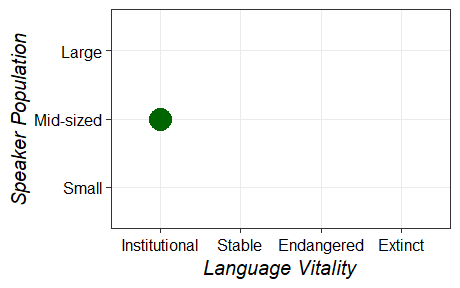
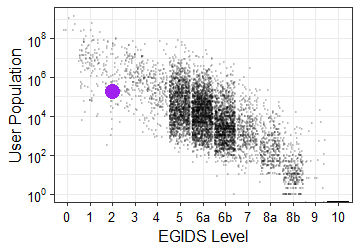
- 80,000 in Germany (2000). Ethnic population: 200,000. Total users in all countries: 201,300.
- Location:
- Hamburg and Niedersachsen states: colonies south.
- Language Status
- 5 (Developing). Recognized language (1998, ECRML, signed in November 1992 and ratified by the Federal Bundestag Implementation Act, Gazette, page 1314), Bundestag Resolution of June 1986 confirmed the need for improvement of living conditions and integration into society of the Germany Romany ethnic group. ECRML Initial Report (2002).
- Classification
- Indo-European, Indo-Iranian, Indo-Aryan, Intermediate Divisions, Western, Romani, Northern
- Dialects
- Gadschkene, Estracharia, Krantiki, Kranaria, Eftawagaria, Praistiki. A member of macrolanguage Romany [rom].
- Typology
- Prepositions; noun head final; gender (animate, inanimate); definite and indefinite articles; case-marking (6 cases); comparatives; 25 consonants, 6 vowels, 4 diphthongs; non-tonal.
- Language Use
- Vigorous. Used by all. All also use Standard German [deu].
- Language Development
- Printed or pre-recorded Romani language materials may not be understandable outside the country (or context of surrounding languages) in which they were produced. Grammar. NT: 2010–2014.
- Language Resources
- OLAC resources in and about Romani, Sinte
- Writing
- Latin script [Latn].
- Other Comments
- Non-indigenous. Seminomadic. Christian.
Also Spoken in
- Location
- Upper Austria.
- Language Status
- 5 (Dispersed)
- Other Comments
- Non-indigenous. Christian. View other languages of Austria
Language Name
Romani, Sinte
User Population
6,270: All Romani in Austria (2003 UNSD).
- Location
- Scattered.
- Language Status
- 5 (Dispersed)
- Other Comments
- Non-indigenous. Christian. View other languages of Switzerland
Language Name
Romani, Sinte
User Population
21,000 in Switzerland (Johnstone 1993).
- Location
- Scattered.
- Dialects
- Lallere.
- Language Status
- 5 (Dispersed)
- Other Comments
- Non-indigenous. Lallere ancestors came from Czechia. Ethnic group: Sasítka Romá. Christian. View other languages of Czechia
Language Name
Romani, Sinte
User Population
5,100 in Czechia (2004).
- Location
- Scattered.
- Dialects
- Manouche (Manuche, Manush).
- Language Status
- 5 (Dispersed)
- Other Comments
- Non-indigenous. Ethnic group: Sasítka Romá. Christian. View other languages of France
Language Name
Romani, Sinte
User Population
28,400 in France (2000).
- Location
- Istria and Međimurje counties.
- Language Status
- 2 (Provincial)
- Other Comments
- Non-indigenous. View other languages of Croatia
Language Name
Romani, Sinte
User Population
14,400 in Croatia (2011 census). Ethnic population: 17,000 (2011 census).
- Location
- Scattered in northern regions.
- Dialects
- Piedmont Sintí (Piedmontese Sinti), Slovenian-Croatian, Manouche, Venetian Sinti.
- Language Status
- 5 (Dispersed)
- Other Comments
- Non-indigenous. Christian. View other languages of Italy
Language Name
Romani, Sinte
User Population
14,000 in Italy (1980). 10,000 Manouche, 4,000 Slovenian-Croatian.
- Location
- Major cities.
- Language Status
- 5 (Dispersed)
- Other Comments
- Non-indigenous. Ethnic group: Sasítka Romá. Christian. View other languages of Kazakhstan
Language Name
Romani, Sinte
User Population
6,100 in Kazakhstan (Leclerc 2017e).
- Location
- Scattered.
- Dialects
- Manouche.
- Language Status
- 5 (Dispersed)
- Other Comments
- Non-indigenous. Christian. View other languages of Netherlands
Language Name
Romani, Sinte
User Population
1,300 in Netherlands (2010 J. Leclerc).
- Location
- Scattered.
- Dialects
- Manuche (Manouche).
- Language Status
- 5 (Dispersed)
- Other Comments
- Non-indigenous. Ethnic group: Sasítka Romá. Christian. View other languages of Poland
Language Name
Romani, Sinte
- Location
- Belgrade City, Jablanica, Nišava, Pčinja, and Pirot districts; scattered in Kosovo.
- Dialects
- Abbruzzesi, Slovenian-Croatian Romani, Serbian Romani. Mutual intelligibility between Croatian Romani, Slovenian Romani, and Serbian Romani. Possibly quite distinct from German [deu] varieties. Sinte is characterized by German influence. Not intelligible of Vlax Romani [rmy].
- Language Status
- 5 (Dispersed)
- Other Comments
- Christian. View other languages of Serbia
Language Name
Romani, Sinte
User Population
31,000 in Serbia. 30,000 Serbian, 1,000 Manouche.
Map
Location: Hamburg and Niedersachsen states: colonies south.
Size and Vitality
 Click to enlarge with explanation
Place in Language Cloud
 Click to enlarge with explanation