
LSN ISO 639-3
Tibetan Sign Language
A language of China
- ISO 639
- lsn
- Alternate Names
- TSL, TibSL, bod kyi lag brda, bökyi lagda
- Population
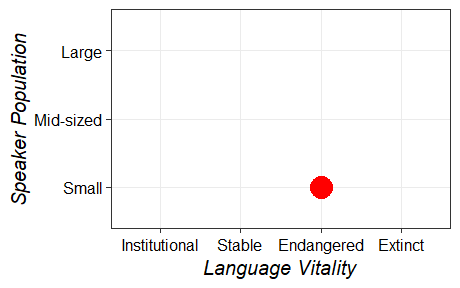
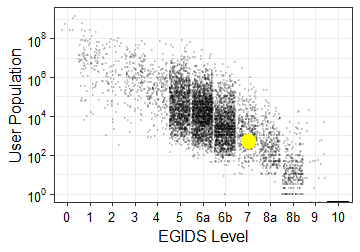
- 500 (2018 T. Hofer). About 500 TibSL signers in the Lhasa area where it developed. Ethnic population: 45,000 (2017). Estimated 45,000–50,000 deaf in all of Tibet, most of whom are home signers (Hofer 2017).
- Location:
- Tibet Autonomous Republic: scattered.
- Language Status
- 7 (Shifting).
- Classification
- Sign language, Deaf community sign language
- Dialects
- None known. Most significant influences come from spoken and written Tibetan. There are few instances of influences of individual lexical items from Chinese Sign Language [csl] on TSL lexicon, but not grammar (2018 T. Hofer).
- Language Use
- Adults only. Chinese SL [csl] is taught in schools, and even some adult deaf are shifting to use CSL, so their children are also learning CSL instead of TSL. Shifting to Chinese Sign Language [csl].
- Language Development
- Videos.
- Other Comments
- Developed in early 2000s in and around Lhasa as a formalization of previous indigenous signs and gestures, led by deaf and hard-of-hearing Tibetans. Used almost exclusively by ethnic Tibetans, not Han Chinese. In 2004, the Chinese government publicly recognized Tibetan Sign Language [lsn] as a ‘minority sign language’ distinct from CSL [csl] (Hofer 2017).
Also Spoken in
Map
Location: Tibet Autonomous Republic: scattered.
Size and Vitality
 Click to enlarge with explanation
Place in Language Cloud
 Click to enlarge with explanation