
LIS ISO 639-3
Lisu
Lisu, ꓡꓲ-ꓢꓴ (Li-su) Autonym
A language of China
- ISO 639
- lis
- Alternate Names
- Chedi, Cheli, Chung, Khae, Leisu, Leshuoopa, Lesuo, Li, Li-Hsaw, Li-Shaw, Lip’a, Lisaw, Lishu, Liso, Lissu, Loisu, Lu-Tzu, Lusu, Yao Yen, Yaw Yin, Yaw-Yen, Yeh-Jen
- Autonym
- Lisu, ꓡꓲ-ꓢꓴ (Li-su)
- Population
- 600,000 in China (2000 census), increasing. Ethnic population: 703,000 (2010 census). Total users in all countries: 942,700.
- Location:
- Sichuan province: southwest Liangshan prefecture; Yunnan province: 11 prefectures, 63 counties, upper reaches of Mekong and Salween rivers.
- Language Status
- 3 (Wider communication). Language of recognized nationality: Lisu. Some 7,000 members of the Nu nationality in China, and more in Myanmar, speak only Lisu.
- Classification
- Sino-Tibetan, Tibeto-Burman, Ngwi-Burmese, Ngwi, Central
- Dialects
- Bai Lisu (White Lisu), Dechang Lisu, Hei Lisu (Black Lisu), Hua Lisu (Flowery Lisu), Lu Shi Lisu, Ninglang Lisu, Northern Lisu, Nujiang Lisu, Shibacha Lisu, Western Lisu. Much dialectal variation; some do not understand each other.
- Typology
- SOV; postpositions; classifiers; isolating language; no passives; aspect markers; causatives; topic markers; 28 consonants and 10 vowels; tonal (6 tones).
- Language Use
- Vigorous. Speakers of other languages in the area use Lisu for administration, religion, and bilingual education in schools. In Drung and Nu areas, oral and written Lisu are used for Christian activities. All domains. Used by all. Positive attitudes. Also use Central Bai [bca]. Also use Central Tibetan [bod]. Also use Jingpho [kac]. Also use Lü [khb]. Also use Mandarin Chinese [cmn], especially in secondary schools. Also use Naxi [nxq]. Used as L2 by Anong [nun], Central Bai [bca], Drung [duu], Northern Pumi [pmi], Nusu [nuf], Southern Pumi [pmj], Zaiwa [atb], Zauzou [zal].
- Language Development
- Literacy rate in L1: High. Literacy rate in L2: Moderate in Chinese. Literacy taught through churches, rather than schools. Taught in primary schools. Literature. Newspapers. Radio. Dictionary. Grammar. Bible: 1968–1986.
- Language Resources
- OLAC resources in and about Lisu
- Writing
- Latin script [Latn], used in 1915–1918, 1958–1966, and from 1981. Lisu (Fraser) script [Lisu], used since 1918, primary usage.
- Other Comments
- Traditional religion, Christian.
Also Spoken in
- Location
- Arunachal Pradesh state: Changlang district, Miao and Vijoynagar sub-district, 6 villages, Gandhigram being largest.
- Language Status
- 5 (Dispersed)
- Other Comments
- Non-indigenous. The Lisu people are called Yobin or Yawyin by the Singpho [sgp] people. Christian. View other languages of India
Language Name
Lisu
User Population
2,700 in India (Bradley 2007b).
- Location
- Kachin state: Putao township toward Assam border, also Myitkyina; Mandalay region: Mogok township; Sagaing region: Katha and Tygyaing townships; Shan state: Lashio and Loilen townships.
- Dialects
- Hwa Lisu (Flowery Lisu), Black Lisu, Lu Shi Lisu.
- Language Status
- 3 (Wider communication)
- Other Comments
- All 3 dialects are found in Myanmar. Black Lisu is most distinct. The Lisu in Myanmar and Thailand have difficulties in communicating due to dialect differences. Christian. View other languages of Myanmar
Language Name
Lisu
User Population
300,000 in Myanmar (Bradley 2007a).
- Location
- Chiang Mai, Chiang Rai, Kamphaeng Phet, Mae Hong Son, Phayao, Sukhothai, and Tak provinces.
- Dialects
- Lu Shi Lisu.
- Language Status
- 5 (Dispersed)
- Other Comments
- Non-indigenous. Traditional religion, Christian. View other languages of Thailand
Language Name
Lisu
User Population
40,000 in Thailand (Bradley 2007b).
Map
Location: Sichuan province: southwest Liangshan prefecture; Yunnan province: 11 prefectures, 63 counties, upper reaches of Mekong and Salween rivers.
Size and Vitality
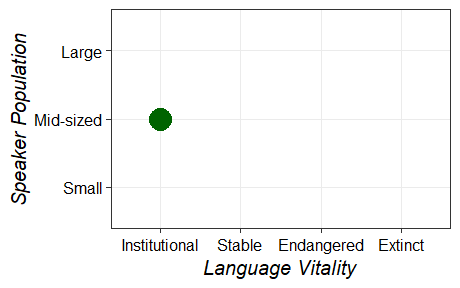 Click to enlarge with explanation
Place in Language Cloud
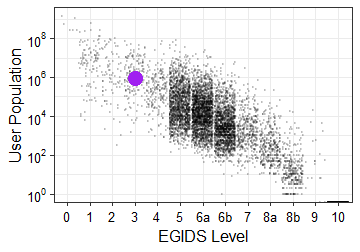 Click to enlarge with explanation