
LBJ ISO 639-3
Ladakhi
ལ་དྭགས་ཀྱི་སྐད། (Ladaks skat) Autonym
A language of India
- ISO 639
- lbj
- Alternate Names
- Ladak, Ladakh, Ladakh Skat, Ladaphi, Ladhakhi, Ladwags
- Autonym
- ལ་དྭགས་ཀྱི་སྐད། (Ladaks skat)
- Population
- 15,000 in India (2011 census). Total users in all countries: 27,000.
- Location:
- Himachal Pradesh state: Lahaul Spiti district; Jammu and Kashmir state: western Leh district, 250 villages and hamlets.
- Language Status
- 5 (Developing).
- Classification
- Sino-Tibetan, Tibeto-Burman, Western Tibeto-Burman, Bodish, Central Bodish, Western
- Dialects
- Leh (Central Ladakhi), Shamma (Lower Ladakhi, Sham, Shamskat), Nubra Ladakhi. Perhaps 30%–40% intelligibility of Tibetan [bod]. Leh users comprehend 90% of Zangskari [zau] and Changthang [cna]. Nubra and Shamma not adequately intelligible with Leh to use the same educational, literacy, or development materials. Changthang and Zanskar, while understanding Stod Bhoti [sbu] better than Leh dialect, identify more with Leh Ladakhi culture. 58% to 85% intelligibility of Leh by Changthang, 73%–81% by Zanskar. Lexical similarity: 71%–83% with Purik [prx], 53%–60% with Tibetan, 84%–94% among 5 main dialects.
- Typology
- SOV; postpositions; genitives, relatives before noun heads; articles, adjectives numerals after noun heads; suffixes indicate case of noun phrase; ergative; causatives; comparative; CCVCC or CCCVV maximum; nontonal.
- Language Use
- Vigorous. Used by all. Positive attitudes. Also use English [eng]. Also use Hindi [hin]. Also use Urdu [urd]. Used as L2 by Brokskat [bkk], Changthang [cna], Zangskari [zau].
- Language Development
- Literacy rate in L1: 20%–50% (2001 census). Literacy rate in L2: 54%–65% men, 40% women. Percentage of those who can actually read with understanding is lower than census literacy rate indicates. Literature. Dictionary. Grammar. Bible: 1948.
- Language Resources
- OLAC resources in and about Ladakhi
- Writing
- Tibetan script [Tibt].
- Other Comments
- Written Ladakhi is distinct from spoken forms. Leh dialect is acknowledged as standard spoken Ladakhi. It is the medium of Leh radio broadcasts and standard medium of communication among all Ladakh dialects, including Changthang and Zangskari (Paldan 2002). Buddhist, Muslim.
Also Spoken in
- Location
- Western Xizang Autonomous Region.
- Dialects
- Leh (Central Ladakhi), Shamma (Lower Ladakhi, Sham, Shamskat), Nubra Ladakhi.
- Language Status
- 6b (Threatened)
- Other Comments
- Non-indigenous. Buddhist. View other languages of China
Language Name
Ladakhi
User Population
12,000 in China (1995).
Map
Location: Himachal Pradesh state: Lahaul Spiti district; Jammu and Kashmir state: western Leh district, 250 villages and hamlets.
Size and Vitality
 Click to enlarge with explanation
Place in Language Cloud
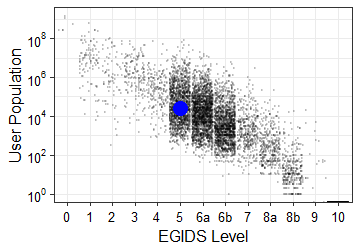 Click to enlarge with explanation