
KOO ISO 639-3
Konzo
Lhukonzo Autonym
A language of Uganda
- ISO 639
- koo
- Alternate Names
- Bakonzo, Bayira, Konjo, Olukonjo, Olukonzo, Rukonjo, oluKonzo
- Autonym
- Lhukonzo
- Population
- 893,000 in Uganda (2014 census), increasing. Census based on tribal affiliation. Includes 16,000 Banyabindi, 10,000 Banyabutumbi and 16,000 Basongora (2014 census).
- Location:
- Bundibugyo, Kabarole, Kasese, and Ntoroko districts in Ruwenzori mountains; Bundibugyo district (Olhughendera dialect).
- Language Status
- 4 (Educational).
- Classification
- Niger-Congo, Atlantic-Congo, Volta-Congo, Benue-Congo, Bantoid, Southern, Narrow Bantu, Central, J, Konzo-Ndandi (D.41)
- Dialects
- Sanza (Ekisanza), Rukonzo (Rukonjo), Rusongora (Lusongora), Olhughendera, Runyabindi, Rugabo, Runyabutumbi (Rukingwe). Nande [nnb] (Kinande) in Democratic Republic of the Congo and Konzo [koo] (Lukonzo) in Uganda are 2 varieties of the same language. Nande [nnb] is influenced by French [fra] and Swahili [swh]; Konzo [koo] by Tooro [ttj]. Lexical similarity: 77% with Nande [nnb].
- Language Use
- Home, market. Used by all. Positive attitudes. Most also use English [eng]. Most also use Tooro [ttj].
- Language Development
- Taught in primary schools. Literature. Radio. Dictionary. Texts. Bible portions: 1914. Agency: Kikinzo Language and Culture Office.
- Language Resources
- OLAC resources in and about Konzo
- Writing
- Latin script [Latn], used since 1914.
- Other Comments
- Konzo (Bakonzo) in Uganda and Nande (Banande) in Democratic Republic of the Congo both feel very much one people, ethnic autonym: Bayira. They believe they originated from the Ruwenzori Mountains; the mountains belong to them and they to the mountains. This plays a very important role in their traditions and identity. Lusongora is the most important dialect. Traditional religion, Christian.
Also Spoken in
- Location
- Nord-Kivu province: west slope Ruwenzori Mountains.
- Dialects
- Sanza (Ekisanza).
- Language Status
- 6a (Vigorous)
- Other Comments
- Traditional religion, Christian. View other languages of Democratic Republic of the Congo
Language Name
Konzo
Map
Location: Bundibugyo, Kabarole, Kasese, and Ntoroko districts in Ruwenzori mountains; Bundibugyo district (Olhughendera dialect).
Size and Vitality
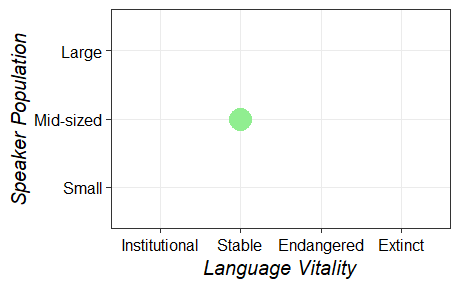 Click to enlarge with explanation
Place in Language Cloud
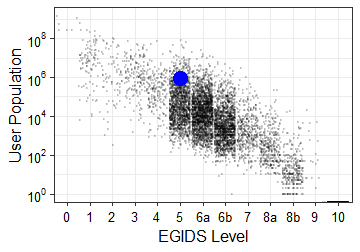 Click to enlarge with explanation