
JDT ISO 639-3
Judeo-Tat
Juwri Autonym
A language of Russian Federation
- ISO 639
- jdt
- Alternate Names
- Bik, Dzhuhuric, Hebrew Tat, Jewish Tat, Judeo-Tatic, Juhuri, Lahji, Mountain Jewish, Tati
- Autonym
- Juwri
- Population
- 2,010 in Russian Federation (2010 census). Census includes Tat [ttt]. Ethnic population: 10,000 (2014 NCRP). Total users in all countries: 81,500.
- Location:
- Chechnya republic: Grozniy; Dagestan republic: Buinaksk, Derbent, Kizlyar, Majalis, and Makhachkala, south of Pyatigorsk; Kabardino-Balkar republic: Nalchyk; North Ossetia-Alania republic: Mozdok.
- Language Status
- 6b* (Threatened).
- Classification
- Indo-European, Indo-Iranian, Iranian, Western, Southwestern, Tat
- Dialects
- South Tat, North Tat.
- Language Development
- Literature. Radio. Grammar. Bible portions: 2000.
- Language Resources
- OLAC resources in and about Judeo-Tat
- Writing
- Cyrillic script [Cyrl], primary usage. Hebrew script [Hebr]. Latin script [Latn], used in Azerbaijan.
- Other Comments
- Tat is not an ethnic name. It is a Turkic term for nomads. Tradition says they lived in the Caucasus since 722 A.D. Different from Takestani [tks] of Iran. Jewish.
Also Spoken in
- Location
- Quba district: Baku and Krasnaya Sloboda village; Oguz district: Vartashen village.
- Language Status
- 6b (Threatened)
- Other Comments
- Non-indigenous. Jewish. View other languages of Azerbaijan
Language Name
Judeo-Tat
User Population
8,490 in Azerbaijan (2011 UNSD). Ethnic population: 15,000 (2014 NCRP).
- Location
- HaDarom district: Sderot, border town with Gaza Strip; HaMerkazi district: Hadera and Or ’Akiva, near Mediterranean coast.
- Dialects
- Derbend.
- Language Status
- 5 (Developing)
- Other Comments
- Non-indigenous. 2,000 speakers a year, called Bik, emigrate from the Caucasus Mountains to Israel. Jewish. View other languages of Israel
Language Name
Judeo-Tat
User Population
71,000 in Israel (Leclerc 2018a).
Map
Location: Chechnya republic: Grozniy; Dagestan republic: Buinaksk, Derbent, Kizlyar, Majalis, and Makhachkala, south of Pyatigorsk; Kabardino-Balkar republic: Nalchyk; North Ossetia-Alania republic: Mozdok.
Size and Vitality
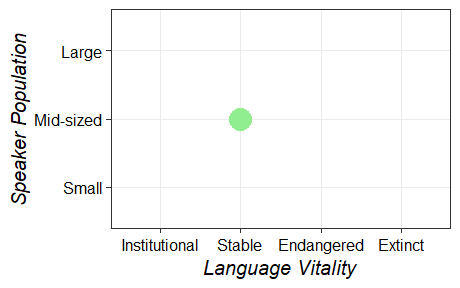 Click to enlarge with explanation
Place in Language Cloud
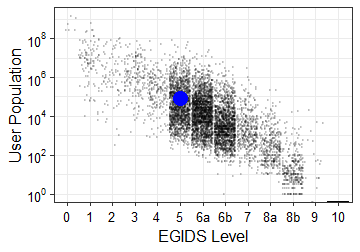 Click to enlarge with explanation