
HOZ ISO 639-3
Hozo
A language of Ethiopia
- ISO 639
- hoz
- Alternate Names
- Agmo Wandi, Amo Wandi, Begi-Mao, Hoozo, Maramo, Mo Wandi, Nu Wandi, Shuluyo, Shulyo
- Population
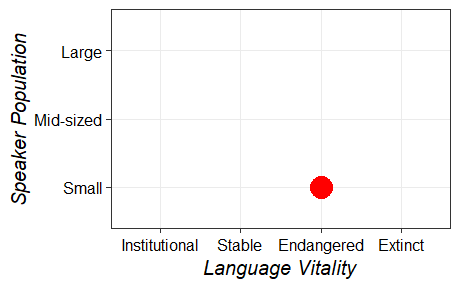
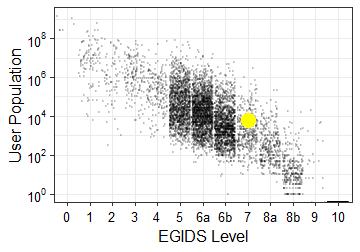
- 6,000 (Küspert 2015). Ethnic population: 24,300 (2007). This includes Hozo [hoz], Seze [sze] and Gwama [kmq] ethnic populations.
- Location:
- Oromia region: West Wollega zone, Babo Gambel, Begi, K’ondala, and Manasibu districts.
- Language Status
- 7 (Shifting).
- Classification
- Afro-Asiatic, Omotic, North, Mao
- Dialects
- No dialects known. Although some sources may list ‘Hozo; and ‘Shulyo’ as dialects, they may be ethnic rather than linguistic designations (2020 S. Küspert-Rakotondrainy). Closely related to Seze [sze] (Küspert 2015).
- Typology
- SOV; sibilant harmony in roots; case-marking: apparently both Nominative and Accusative are marked (further research needed); rich verb morphology with aspect and tense; three different copulas; converbs; causative, passive and benefactive verb derivation morphemes; 22 consonants and 5 vowels (short and long, status of ə unclear); tonal (2 levels), tone distinguishes word classes; quintesimal-vingtesimal numeral system, giving way to Oromo forms.
- Language Use
- Home. Adults only. Shifting to West Central Oromo [gaz], especially as education contributes to increased assimilation to Oromo, encouraged by local government (Küspert 2015). Also use Amharic [amh]. Also use Seze [sze], especially in areas where speakers of Hozo live intermixed with speakers of Seze [sze]. Frequent intermarriage between speakers of Hozo and Seze. Also use Standard Arabic [arb], with restricted use. Used as L2 by Seze [sze].
- Language Development
- Literacy rate in L2: 5%. Grammar.
- Language Resources
- OLAC resources in and about Hozo
- Writing
- Unwritten [Qaax].
- Other Comments
- Muslim.
Also Spoken in
Map
Location: Oromia region: West Wollega zone, Babo Gambel, Begi, K’ondala, and Manasibu districts.
Size and Vitality
 Click to enlarge with explanation
Place in Language Cloud
 Click to enlarge with explanation