
CLK ISO 639-3
Idu-Mishmi
Idu-Mishmi Autonym
A language of India
- ISO 639
- clk
- Alternate Names
- Ida, Idu, Midhi, Nedu, “Chulikata” (pej.), “Chulikotta” (pej.), “Sulikota” (pej.)
- Autonym
- Idu-Mishmi
- Population
- 4,000 in India (2016 R. Blench). 800 monolinguals. Total users in all countries: 4,080.
- Location:
- Arunachal Pradesh state: Dibang Valley district, Dibong Valley and Lower Dibong Valley districts.
- Language Status
- 6b (Threatened).
- Classification
- Sino-Tibetan, Tibeto-Burman, Central Tibeto-Burman, Digarish
- Dialects
- Midu, Mithu. Reportedly most similar to Digaro-Mishmi [mhu]. Different from Adi [adi]. Lexical similarity: 7% with the Miju-Mishmi dialect of Miju-Mishmi [mxj], 25% with Digaro-Mishmi [mhu].
- Typology
- SOV; postpositions; genitives before noun heads; numerals after noun heads, adjective and relatives before noun head; affixes indicate case of noun phrase; comparatives; nasal vowels; tonal (3 level tones: high, mid, low).
- Language Use
- Home, community, religion. Some young people, all adults. Positive attitudes. Also use Assamese [asm], especially older people. Also use English [eng], especially educated individuals. Also use Hindi [hin], especially younger people. Used as L2 by Khamba [kbg].
- Language Development
- Literacy rate in L2: 55% (2001 census). Dictionary. Grammar. Texts.
- Language Resources
- OLAC resources in and about Idu-Mishmi
- Writing
- Latin script [Latn].
- Other Comments
- May not be in the Tani group, but is related. Hindu.
Also Spoken in
- Location
- Xizang Autonomous Region: Nyingchi prefecture, Chayu county, Xia Chayu (Zayu) zone, Ba’antong and Xia Chayu (Zayu) townships, in Danba river valley and adjoining mountain slopes.
- Language Status
- 6a (Vigorous)
- Other Comments
- Different from Loke (Loba) [loy] in Nepal. 27% attended primary school, 31% have some degree of literacy. Traditional religion, Buddhist. View other languages of China
Language Name
Luoba, Yidu
User Population
80 in China (1999 Sun Hong Kai). 50 monolinguals.
Map
Location: Arunachal Pradesh state: Dibang Valley district, Dibong Valley and Lower Dibong Valley districts.
Size and Vitality
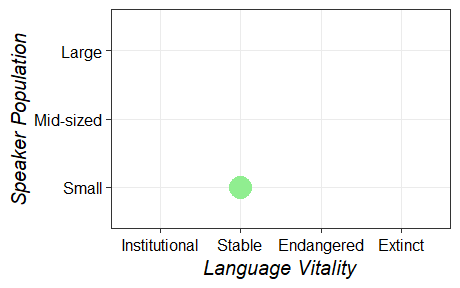 Click to enlarge with explanation
Place in Language Cloud
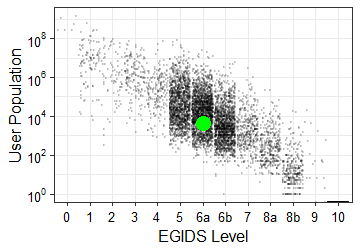 Click to enlarge with explanation